
Rosehip paste/jam or Hetschenpetsch!

Rose hip jam or Hetschenpetsch - A sweet and sour delight Preparation time: 30 minutes Cooking time: 2 hours Total time: 2 hours and 30 minutes Number of servings: 19 jars If you are looking for a captivating recipe to bring a touch of nature into your kitchen, rose hip jam is the perfect choice. This delicacy, with its fine texture and unmistakable taste, pairs wonderfully with fluffy pancakes or honey cake with lemon cream. The origins of this jam are deeply rooted in fruit preservation traditions, and rose hips, with their sweet and sour flavor, have been used for generations in making sweets. Let's see together how you can prepare this delicious jam! Ingredients: - 5 kg of rose hip puree (you can buy it at natural product stores or make it at home) - 4 kg of granulated sugar Necessary utensils: - Stainless steel or enamel pot - Fine sieve - Sterilized jars - Wooden spoon - Cooking thermometer (optional but recommended to check the temperature) Step by step: 1. Preparing the rose hips: If you opted to use fresh rose hips, start by washing them well under cold running water. Remove the stems and impurities, then cut them in half. Make sure to carefully remove the seeds and hairs, as they can affect the texture of the jam. 2. Boiling the rose hips: Place the cleaned rose hips in a stainless steel or enamel pot and cover them with water. Put the pot on medium heat and let it boil. You will want to cook until you obtain a thick paste, which takes about 30-40 minutes. 3. Straining the paste: Once you have achieved the desired consistency, use a fine sieve to separate the pulp from the seeds. This is an essential step to obtain a fine and creamy jam. 4. Mixing with sugar: In another pot, combine the rose hip puree with granulated sugar. It is important to use a 1:1 ratio, meaning 5 kg of puree to 4 kg of sugar. Mix well to ensure that the sugar will dissolve evenly. 5. Boiling the jam: Place the pot on low heat and let it boil for about 2 hours. Stir occasionally to prevent sticking. If you have a cooking thermometer, you can check the temperature; the jam is ready when it reaches about 105°C. This step is crucial for effective preservation. 6. Bottling: While the jam is still hot, pour it into the sterilized jars. Make sure to fill them to the brim to avoid air formation. Seal the jars tightly and let them cool under a blanket, allowing them to rest for 24 hours. Useful tips: - Choosing rose hips: It is important to use ripe rose hips, as they have a higher natural sugar content, which will contribute to a sweeter and more flavorful jam. - Quick option: If time is an issue, you can buy processed rose hip puree to skip the paste preparation step. This can save time and effort, and the result will be just as delicious. - Using the jam: Rose hip jam pairs perfectly with pancakes, cakes, or even as a filling for gingerbread. You can experiment by adding a splash of lemon juice to enhance the acidity. Nutritional benefits: Rose hips are an excellent source of vitamin C and antioxidants. They help strengthen the immune system and have anti-inflammatory properties. Rose hip jam is also a healthy option for breakfast, being full of vitamins and minerals. Frequently asked questions: - Can I use alternative sweeteners? Yes, you can experiment with alternative sweeteners, but make sure to follow the usage instructions to achieve a similar consistency. - How long does rose hip jam last? If stored properly, the jam can last up to a year. Store it in a cool, dark place to extend its shelf life. Share your creation! Once you are done, don't forget to share this rose hip jam with your loved ones. Whether it’s for a special breakfast or a savory dessert, this jam is sure to bring a smile to the faces of those who taste it. Perhaps, like my mother, you will find that this recipe becomes a family tradition, bringing you closer to nature and cherished memories. Savor every spoonful and enjoy the authentic flavor of rose hip jam!
Tags
Categories

Appetizers

Beverages

Celebrity chefs
Chef in the city

Children

Coffee
Conserve

Cook and smile
Culinary Games
Culinary School

Dessert

Diverse
Doughs and pastries
Drinks

Fish
Healthy Delights

International
Jakob Hausmann
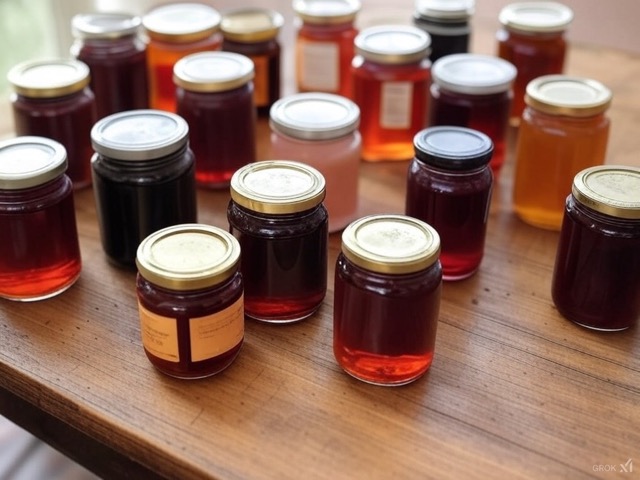
Jam
Jamie Oliver
Meat
Miscellaneous
Over

Pasta/Pizza
Pickles
Plague
Salad

Sandwiches
Sauces
Savory
Season
Sezon
Slow cooking
Soups
Star Recipe

Syrup
Translated
Various
Vegan