Garam Masala - A mix from Northern India

Let's take a journey through the aromatic India! Most people associate the cuisine of India and its neighboring countries with a general term: curry. This is a misconception! Curry is, in fact, a plant used as a spice in various mixes, whether dry or wet. Depending on the area or the specific dish, curry may be completely absent. Who is to blame for this generalization? The English, with their tendency to standardize everything! Furthermore, the term curry comes from a chef of an English nobleman, centuries ago, originally derived from the French term 'curie', which means 'to cook'. Over time, it has reached the current name, adopted even by Indians when serving their traditional dishes to foreigners.
Among the famous dishes, Tikka Masala and Madras are not foreign to you, and these names are nothing but typical mixes from their respective areas. Although the ingredients may be similar, the differences in quantity and preparation methods can completely change the final taste. An extra teaspoon of cumin, for example, can turn a bland curry into an exceptional one. In Romania, this cuisine is generalized under the label of 'spicy' or 'seasoned', but this is completely erroneous. According to the Romanian dictionary, seasoned is synonymous with these characteristics, but even sugar is a seasoning! Everything we add to a dish to change its taste can be considered a seasoning: salt, sugar, honey, pepper, lemon zest, thyme, tarragon, etc. The list is extremely long.
A fascinating aspect is that southern India, similar to warm regions in Africa or Latin America, tends to use spicier seasonings to cope with high temperatures. In contrast, in northern India, where the weather is cooler, dishes are often sweeter. Interestingly, the chili pepper, known as chili or cayenne, was introduced to India by the Portuguese in the 1800s, and Capsicum has its origins in Latin America.
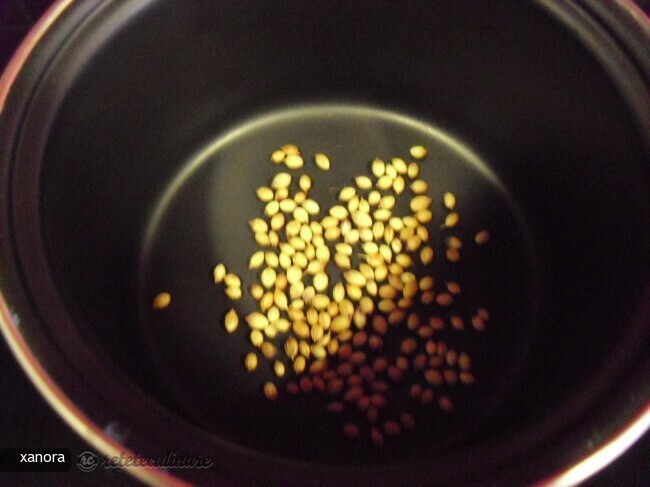
Now I present to you a specific recipe from northern India: Garam Masala. It is a perfect blend for fruit dishes, thanks to the note of cinnamon that gives it a unique taste. We start by toasting coriander seeds in a non-stick pan over low heat, stirring carefully to avoid burning. Once they have taken on a golden hue and their aroma has intensified, we take the pan off the heat and let them cool.
For the other ingredients, we put them in a larger frying pan and toast them also over low heat, stirring constantly. As they heat up, the aromas will gradually be released, bringing a pleasant sensation in the air. When everything is ready, we let the mixture cool down. It is essential to toast the coriander seeds separately to ensure we remove the outer skin. Some seeds may already be cleaned, but it’s good to be cautious.
After all the ingredients have cooled down, we grind them together and store them in an airtight jar in a cool place away from direct light. It is important to pay attention to the quantities, even when making a smaller batch. The ginger used should be dry, and dehydrated is preferable. Finally, if you don’t have an electric grinder, don’t worry! A manual grinder or even a spice mill can do the job excellently, even if it will require a bit more effort. This recipe will surely bring Indian flavors to your kitchen!
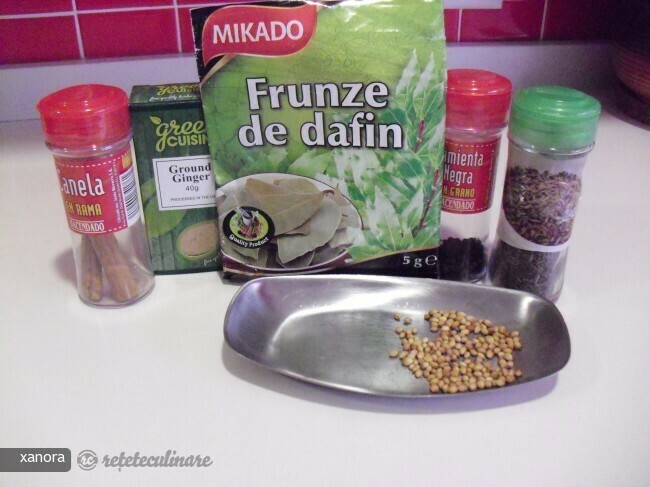
Ingredients: 3 tablespoons coriander seeds, 1 tablespoon cumin, 1 tablespoon black pepper, 1 1/2 tablespoons black cumin -shahjeira, 1 1/2 tablespoons dried ginger, 3/4 teaspoon cloves, 3/4 teaspoon crushed cinnamon bark, 3/4 teaspoon crushed bay leaves - about 4 leaves.
Tags: gluten-free recipes lactose-free recipes vegetarian recipes