
Balmos

Balmoș is typically made when we have fresh sheep jântuială, from spring to autumn. It’s a simple dish, similar in preparation to polenta, but with a tangy flavor due to the jântuială. We serve it warm at the table, often accompanied by a green salad, and sometimes alongside cold salad soup. It is prepared in a single cauldron and needs to be stirred well until the mixture thickens and starts to pull away from the edges. Quick Info Total Time: not specified in the original recipe Preparation Time: not specified Cooking Time: approximately 5 minutes after adding the egg, plus the time needed to boil the jântuială and thicken the balmoș Servings: unspecified Difficulty: easy Recipe Type: traditional dish, prepared in a cauldron Ingredients 1 liter of sheep jântuială 500 g cornmeal 2 tablespoons lard 1 egg 1 pinch of salt Preparation Method 1. Pour the jântuială into a cauldron and add a pinch of salt and the two tablespoons of lard. 2. Place the cauldron over heat and bring the jântuială to a boil. 3. Once it starts boiling, gradually add the cornmeal while continuously stirring with a whisk, just like when making polenta. Stirring is important to ensure the cornmeal is evenly incorporated. 4. Continue stirring until the balmoș thickens. 5. Add the egg and mix well so that it incorporates into the mixture. 6. Let the balmoș boil for another 5 minutes, continuing to stir. 7. It is ready when it starts pulling away from the edges of the cauldron. Remove it from the heat and divide it into plates. 8. Serve the balmoș warm, preferably with a green salad. It also pairs well with cold salad soup. Why I Make This Recipe Often I often make it during the time when fresh sheep jântuială is available because the ingredients are few and the preparation is not complicated. Balmoș is filling and can be served immediately without the need for elaborate preparations. The tangy flavor of the jântuială sets it apart from regular polenta, while the egg and lard give it a richer consistency. It’s a recipe especially suitable for days when fresh jântuială is at hand. It is made in the quantity indicated above and then served directly onto plates while still warm. Tips The jântuială must boil before adding the cornmeal. At that moment, pour in the cornmeal and stir immediately to avoid any unincorporated flour. Stir with a whisk while adding the cornmeal and during the thickening stage of the balmoș. The consistency changes as it cooks, and stirring helps achieve a uniform mixture. Do not take the cauldron off the heat immediately after adding the egg. The recipe calls for about 5 more minutes of boiling, and the balmoș is ready when it pulls away from the edges of the pot. Salt is added from the beginning, along with the lard. The original recipe only mentions a pinch of salt without a specific quantity. Substitutions The recipe is based on sheep jântuială, which is the component that gives it its specific flavor. It is not advisable to replace it with water or another liquid, as it would change the character of the dish. Lard is part of the basic recipe and no substitute is suggested in the original version. If you want to maintain the traditional taste, use the ingredients exactly as specified. Variations The presented recipe has only one serving option mentioned: warm balmoș with green salad. Another option is cold salad soup, which also pairs very well. No additional ingredients or spices are suggested, so it’s better to keep the mixture simple. The tangy flavor comes from the jântuială, while the other ingredients contribute to the consistency and heartiness. Serving Ideas Divide the balmoș into plates immediately after removing it from the heat. It’s served warm, when it has the consistency achieved in the cauldron, and can be easily eaten with a green salad. For a traditional meal, place green salad or cold salad soup alongside it. These are the mentioned accompaniments for this recipe and complement the tangy flavor of the balmoș. Frequently Asked Questions 1. What is jântuială used in balmoș? Jântuială is the liquid ingredient on which balmoș is based. In this recipe, it refers to sheep jântuială, which is used during the time it is available, from spring to autumn. 2. Is water added when cooking balmoș? No. The recipe uses one liter of jântuială, and after it starts boiling, cornmeal is added. The addition of water is not mentioned. 3. When is the egg added? The egg is added after the cornmeal has been incorporated and the balmoș has thickened. After adding the egg, the mixture is left to cook for about 5 more minutes. 4. How do I know when the balmoș is ready? The balmoș is ready when it has thickened and starts pulling away from the edges of the cauldron. At that point, it is taken off the heat and divided into plates. 5. What is balmoș served with? It is served warm, preferably with a green salad. It is also good alongside cold salad soup. Nutritional Values The values below are estimates for the entire prepared quantity and may vary depending on the type of cornmeal, jântuială, and the exact amount of fat in it. For the entire recipe: Calories: approximately 2,200-2,400 kcal Protein: approximately 45-55 g Carbohydrates: approximately 370-390 g Fat: approximately 65-75 g The cornmeal provides most of the carbohydrates and calories. The lard and egg contribute to the fat content, while the egg and jântuială provide protein. Since the number of servings is not specified in the recipe, it is not possible to accurately calculate the nutritional value per serving. If you divide the dish into several plates, the values for each serving can be obtained by dividing the totals above by the number of servings. Storage and Reheating Balmoș is best served immediately after it is made, while it is still warm. The original recipe does not provide an exact storage time, so if there are leftovers, place them in the refrigerator after cooling, in a covered container. When reheating, heat only the amount you plan to consume. Balmoș may change its texture after cooling and can become firmer than when it was taken off the heat. For this reason, it is best enjoyed fresh, right after preparation.
Tags
Categories
Appetizers

Beverages

Celebrity chefs
Chef in the city

Children

Coffee
Conserve
Cook and smile
Culinary Games
Culinary School

Dessert

Diverse
Doughs and pastries
Drinks

Fish
Healthy Delights

International
Jakob Hausmann
Jam
Jamie Oliver
Meat
Miscellaneous
Over

Pasta/Pizza
Pickles
Plague
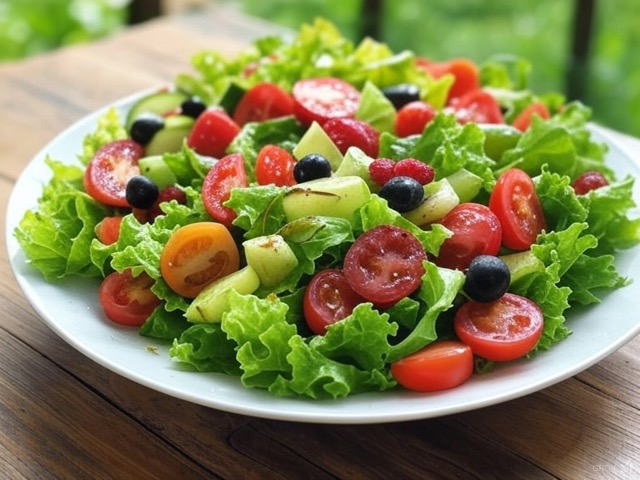
Salad

Sandwiches
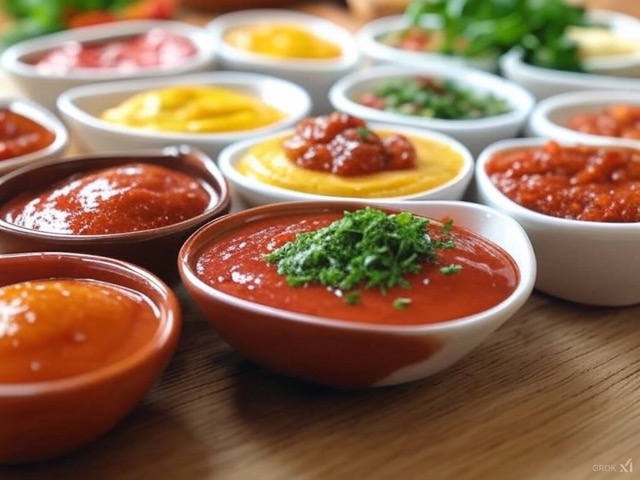
Sauces
Savory
Season
Sezon
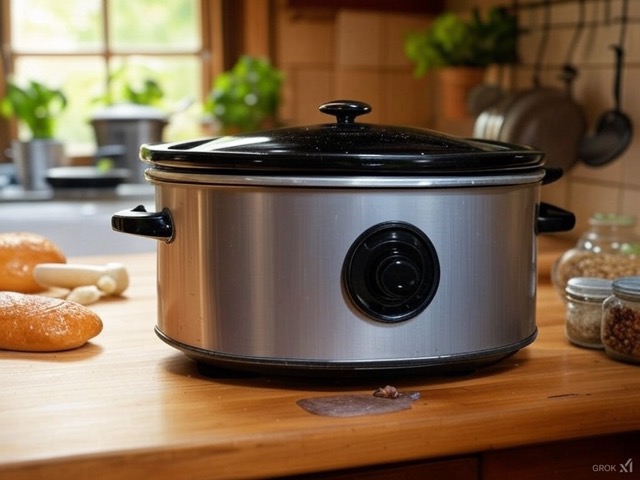
Slow cooking
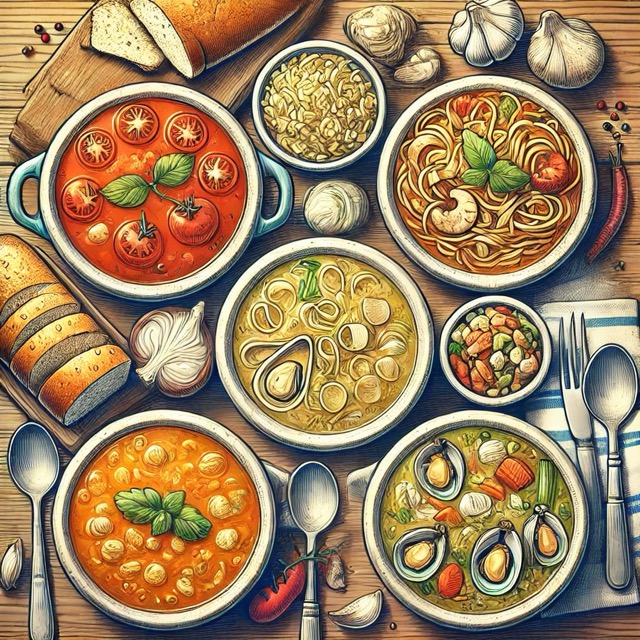
Soups
Star Recipe
Syrup
Translated
Various
Vegan


