
Vegetables for winter

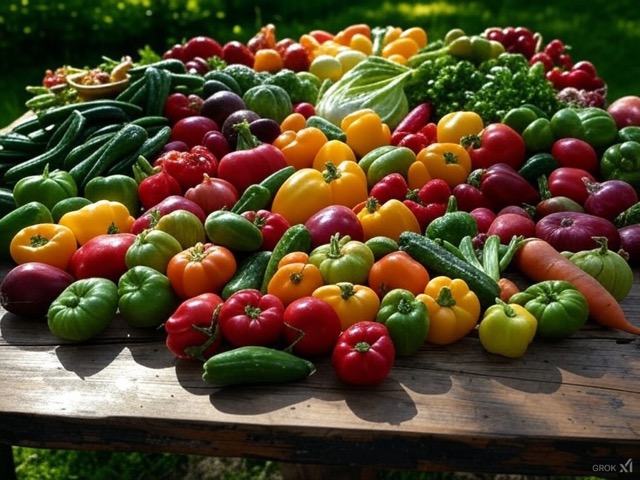
Winter Vegetable Mix: A Traditional Recipe Full of Flavor Who doesn't love the aromatic taste of fresh vegetables in the middle of winter? The vegetable mix you prepare now will transform any soup or stew into a true delicacy. This simple recipe is an excellent method for preserving fresh vegetables, allowing you to enjoy them even in the coldest months. I will guide you step by step on how to prepare the winter vegetable mix, sharing some tricks and useful tips to achieve the best results. Preparation time: 30 minutes Waiting time: 1 hour Total time: 1 hour and 30 minutes Number of servings: 5 jars of 500 ml Necessary ingredients: - Bell peppers (quantity of your choice) - Yellow peppers (quantity of your choice) - Kapia peppers (quantity of your choice) - Onion (1-2 pieces, depending on preferences) - Carrot (1-2 medium pieces) - Parsnip root (1 piece) - Fresh celery leaves (one bunch) - Fresh parsley (one bunch) - Coarse salt (about 200 g for 5 kg of vegetable mix) - Preservative (optional, for better preservation) A bit of history The winter vegetable mix is a traditional practice found in many households. This method of preserving vegetables helps retain flavors and nutrients, giving your dishes a touch of freshness even in the cold season. Beyond its practical aspect, preparing this vegetable mix is a satisfying activity that can turn an ordinary day into something special. Step 1: Preparing the vegetables Start by washing all the vegetables thoroughly under cold running water. It is important to remove any impurities or pesticide residues. After washing, remove the stems and seeds from the bell peppers, yellow peppers, and kapia peppers. Depending on your preferences, you can cut the vegetables into small or larger cubes, but I recommend cutting them as small as possible for perfect blending in your dishes. Peel, wash, and finely chop the onion. Grate the carrot using a fine grater, and chop the parsley and celery leaves finely as well. Peel, wash, and cut the parsnip root into small cubes. Step 2: Mixing the vegetables In a large bowl, mix all the chopped vegetables. This is the stage where the flavors begin to blend, and anticipation for the final taste grows. Add coarse salt, making sure to use about 200 g of salt for every 5 kg of vegetable mix. It is important to adjust the amount of salt according to your preferences, but never overdo it, as it can ruin the dish. Step 3: Letting the vegetables marinate Leave the vegetables in the bowl for about an hour. This time will allow the natural juices from the vegetables to be released, and the salt to preserve them. It’s a perfect moment to relax, enjoy a cup of tea, and think about all the delicious dishes you will prepare this winter with this vegetable mix. Step 4: Packing into jars After the vegetables have marinated, prepare the jars. Wash them well and ensure they are dry. Take a handful of the vegetable mix, squeeze it well to remove excess juice, and place it in the jar. Fill each jar almost to the top, leaving a space of about 1-2 cm. Step 5: Preservation On top of the vegetable mix, you can add a preservative for better preservation, although it is not mandatory. Cover the jar with a lid but do not seal it completely to allow air to escape. Place the jars in a cool, dark, and dry place. Serving and usage The winter vegetable mix is a versatile ingredient. It can be used in soups, stews, broths, or even as a side dish alongside various meals. Its rich flavor will turn any meal into an unforgettable experience. I recommend serving it with a slice of fresh bread and a drizzle of olive oil to fully enjoy its flavors. Variations and tricks If you want to add extra flavor, you can also include other vegetables like zucchini or eggplant. Additionally, you can experiment with different types of spices, such as pepper or sweet paprika, to add a personal touch. Frequently asked questions 1. Can I use other vegetables in the vegetable mix recipe? Yes, you can add other vegetables like zucchini or eggplant, depending on your preferences. 2. Is the preservative necessary? It is not mandatory, but it can help with better preservation of the vegetable mix in the long term. 3. How can I use the vegetable mix in recipes? The vegetable mix is excellent in soups, stews, broths, and as a side dish. You can experiment with various combinations to discover what you like the most. 4. How long can the vegetable mix be stored? If stored properly, the vegetable mix can be consumed within a year from preservation. Nutritional benefits The vegetable mix is packed with vitamins and minerals, contributing to a balanced diet. The vegetables are excellent sources of antioxidants, fiber, and essential nutrients, helping to support overall health. In conclusion, preparing the winter vegetable mix is not just a method of preservation but also a fulfilling activity. I encourage you to put your personal touch on the recipe and enjoy every step of the process. So gather the ingredients, embark on the cooking adventure, and get ready to enjoy the flavors of summer even in the midst of winter!
Ingredients
- gogosari yellow peppers kapia peppers green parsley carrot parsnip root celery leaves onion coarse salt a little preservative (I add for more precaution honestly)
Categories

Appetizers

Beverages

Celebrity chefs
Chef in the city

Children

Coffee

Conserve

Cook and smile

Culinary Games
Culinary School

Dessert

Diverse

Doughs and pastries
Drinks

Fish

Healthy Delights

International
Jakob Hausmann
Jam
Jamie Oliver

Meat
Miscellaneous
Over

Pasta/Pizza
Pickles
Plague
Salad

Sandwiches

Sauces
Savory
Season
Sezon
Slow cooking

Soups
Star Recipe

Syrup
Translated
Various
Vegan


