
Vegetable Stew with Chicken (Multicooker)

Vegetable stew with chicken is perfect for a one-pot meal, especially when you have fresh vegetables on hand and want to keep them as whole as possible. In a multicooker, the meat is first browned, and then the vegetables cook slowly without the need for frequent stirring. Tomatoes, peppers, carrots, and root vegetables add flavor and color, while the chicken makes the dish more substantial. Quick Info Preparation time: not specified; depends on the time needed to clean and chop the vegetables Cooking time: approximately 75 minutes Total time: approximately 75 minutes, plus ingredient preparation time Servings: not specified in the original recipe and depends on the amount of meat used Difficulty: easy Recipe type: vegetable stew with chicken, cooked in a multicooker Ingredients Chicken meat, thighs and breast 4-6 new potatoes 1 white onion 8 garden tomatoes 1 green bell pepper 1 yellow bell pepper 1 red bell pepper 4 medium carrots 2 pieces of parsnip 2 tablespoons of oil 200 ml vegetable broth 1 bunch of green onions Fresh herbs: parsley and dill 2 tablespoons of tomato paste or puree A few dried basil leaves 1 sprig of thyme Salt, to taste A pinch of pepper Preparation Method 1. Prepare the vegetables before starting the multicooker. Peel the potatoes, carrots, and parsnip, then cut the vegetables into cubes or suitable pieces. The peppers can be cut into larger pieces, and the tomatoes can be left whole or chopped, depending on their size. Finely chop the white onion and green onions. 2. Start the FRY program for about 15 minutes and add the two tablespoons of oil. Place the chicken in the pot and let it brown. If using both thighs and breast, arrange the pieces to maximize contact with the bottom of the pot. 3. In the last 3-4 minutes of the FRY program, add the finely chopped green onion. Stir occasionally to soften it slightly and cook it together with the chicken. 4. After the browning program ends, add the remaining prepared vegetables on top of the meat. Pour in the 200 ml of vegetable broth and level the ingredients in the pot. Adjust the salt. 5. Select the STEW program and set the time to 60 minutes. From this point, it is preferable not to stir the dish anymore. The vegetables will cook along with the chicken, and frequent stirring can cause them to break apart. 6. When there are about 15 minutes left of cooking time, add the tomato paste or puree. Sprinkle in the dried basil and continue the program until completion. If using fresh basil, it should be added at the end, not at this stage. 7. When the STEW program is finished, sprinkle in the pepper. Add the thyme sprig and the fresh herbs, namely the finely chopped parsley and dill. 8. Serve the stew warm. Why I Make This Recipe Often This is a practical recipe for a multicooker, as most of the cooking takes place in the same pot. The chicken is browned first, and then the vegetables cook in the broth with tomatoes and herbs. There's no need for constant stirring, and the cooking time can be left to unfold without constant supervision. The stew is also a great way to use multiple types of vegetables in the same dish. The potatoes and chicken make it hearty, while the peppers, tomatoes, carrots, and parsnip provide a balanced flavor. Tips Cut the vegetables into relatively similar-sized pieces, but not too small. This way, they will hold their shape better during the STEW program. Avoid frequent intervention after adding the broth and starting the slow cooking. Stirring can break the potatoes and other soft vegetables. Add the tomato paste or puree in the last 15 minutes, as specified in the recipe. At this point, it combines with the already formed sauce without completely overpowering the flavor of the vegetables. Dried basil is added during cooking, while fresh basil, if used, should be added at the end. Parsley and dill should also be added after the program ends for a fresher taste. Salt is added before the STEW program, but it's good to check the taste at the end, as the vegetable broth and tomato paste may already have a certain level of salt. Substitutes Chicken can be used in the form of thighs, breast, or a combination of both, depending on what you have available. The original recipe mentions both thighs and breast. If you don't have fresh basil, use dried basil as indicated in the ingredient list. If you have fresh basil, add it at the end. Tomato paste and puree can be used interchangeably, in the same quantity mentioned: two tablespoons. Variations You can maintain the proportion of vegetables and choose larger or smaller pieces, depending on how you want the stew to look. Larger-cut vegetables retain their texture better, especially if you don't stir during the STEW program. For a different flavor, you can use dried basil during cooking and fresh herbs only at the end. The recipe already includes this distinction between dried and fresh herbs. You can use only thighs or only breast, but the combination of the two is what's mentioned in the base recipe. Serving Ideas The stew is served warm, directly after adding the pepper, thyme, and chopped herbs. It is hearty enough due to the potatoes and chicken, making it suitable as a main dish. The herbs can be sprinkled directly into the pot or on each serving. If you choose the second option, the parsley and dill will retain their fresh appearance better. Frequently Asked Questions 1. Can I stir the stew during the STEW program? It is preferable not to stir once you have started the STEW program. The vegetables can break apart, especially the potatoes and tomatoes. Level the ingredients before cooking and let the multicooker do its job. 2. When do I add the tomato paste? The tomato paste or puree is added when there are about 15 minutes left until the end of the STEW program. After that, dried basil is added, and cooking continues until the program is complete. 3. Can I use fresh basil? Yes. Fresh basil is preferably added at the end, along with the herbs. Dried basil is added about 15 minutes before the end. 4. What do I do if I only use chicken breast? The recipe allows for the use of chicken meat, and the ingredient list mentions both thighs and breast. If you only use breast, brown it in the same FRY stage and then continue with the steps without changing the indicated program. 5. Why is vegetable broth added? The 200 ml of broth helps the vegetables and meat to cook during the STEW program and contributes to the formation of the sauce in the pot. Nutritional Values The values below are estimates since the recipe does not specify the amount of chicken or the exact number of servings. The calculation can vary greatly depending on the ratio of breast to thighs, the amount of potatoes, and the number of servings. For a rough serving, the dish may have approximately 300-450 kcal, 25-35 g of protein, 25-45 g of carbohydrates, and 10-20 g of fat. The oil and type of meat most influence the energy value. Chicken breast will generally result in a lower fat content than thighs, while a larger amount of potatoes will increase the carbohydrate intake. Storage and Reheating After cooling, the stew can be stored in the refrigerator in a covered container. It is recommended to consume it within 2-3 days. For reheating, heat only the necessary amount until it is warmed through. If reheated multiple times, the vegetables may lose their texture and break apart.
Tags
Categories

Appetizers

Beverages

Celebrity chefs
Chef in the city

Children

Coffee
Conserve
Cook and smile
Culinary Games
Culinary School

Dessert

Diverse

Doughs and pastries
Drinks

Fish
Healthy Delights

International
Jakob Hausmann
Jam
Jamie Oliver
Meat
Miscellaneous
Over

Pasta/Pizza
Pickles
Plague
Salad

Sandwiches
Sauces
Savory
Season
Sezon
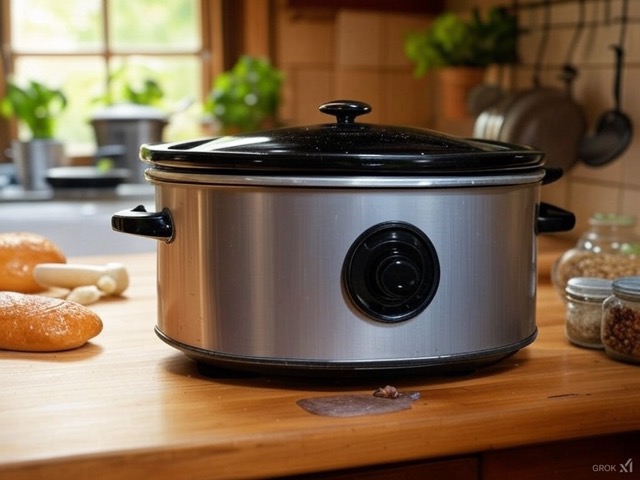
Slow cooking
Soups
Star Recipe
Syrup
Translated
Various
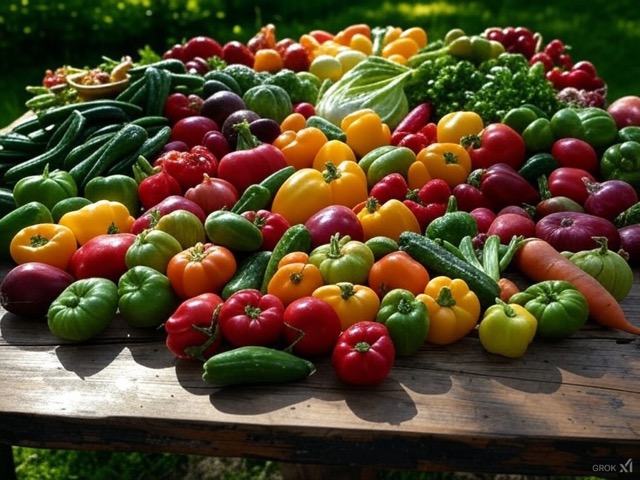
Vegan


