
Pizza

On an ordinary evening, when I'm not in the mood for takeout pizza and want to know exactly what goes on the crust, I turn to this recipe. It has never given me any trouble. I usually have the main ingredients at home, and what I put on top is flexible, depending on what I have on hand. The dough is simple and doesn't take long to knead, and the rest is up to personal preference. Quick Info Total time: about 1 hour and 30 minutes (including rising and baking) Actual preparation time: 20-30 minutes Rising time: 40-60 minutes, depending on temperature Baking time: 15-20 minutes (depending on the oven and crust thickness) Servings: 2 medium pizzas or 1 large tray Difficulty: easy to medium (hand-kneaded) Recipe type: homemade, quick pizza for any day Ingredients For the dough: - 300 g flour - 150 ml warm water - half a packet of dry yeast (or the equivalent of fresh yeast) - 1 tablespoon sugar - 1 teaspoon salt - oil (for kneading) For the topping (can be combined according to taste and what you have on hand): - olives - diced tomatoes - mushrooms - tuna (canned, drained) - onion - sausage - cheese - ham Instructions 1. Start with the dough. In a bowl, combine the flour, sugar, and salt. Mix quickly with a spoon. 2. Dissolve the yeast in the warm water. Let it sit for a few minutes to activate (this isn't mandatory for dry yeast, but it can help sometimes). 3. Pour the yeast mixture over the flour. Add a bit of oil (2-3 tablespoons). Start kneading. There's no need to use a mixer; it's a simple dough. 4. Knead for 5-10 minutes until the dough becomes elastic and no longer sticks too much to your hands. If it feels too stiff, you can add a splash of water. If it's too soft, add a little more flour. 5. Place the dough in a bowl greased with oil, cover it with plastic wrap or a clean towel, and let it rise in a warm, draft-free spot. The rising time varies between 40 minutes and an hour until it doubles in size. 6. When the dough has risen, take it out onto a surface and divide it in two if you want individual pizzas. Roll it out by hand or with a rolling pin to your desired thickness. I usually make it rather thin, but you can leave it fluffier if you prefer. 7. Place the rolled-out dough on a baking tray lined with parchment paper. 8. Now add your desired toppings. Brush the crust with a little oil or tomato sauce if you have it (it's not in the recipe, so I won't insist). On one, I put tomatoes, onion, tuna, and olives. On another: ham, sausage, tomatoes, olives, cheese. You have complete freedom with combinations, using only what you noted in the ingredients. 9. Place the tray in the preheated oven at 200-220°C. Bake for 15-20 minutes, or until the crust is golden and the cheese has melted. 10. Remove the pizza, slice it, and serve while it's still hot. Why I make this recipe often For me, it's the kind of pizza you can make quickly without relying on special yeast or hours in the fridge. You can control the ingredients and know exactly what you're putting on the crust. If there's anything left in the fridge, it can easily be added to the pizza. Tips and Variations Tips - The dough should be elastic but not sticky. If it's too stiff, add a little more water. - If you have time, you can let the dough rise even longer, but it's not mandatory. - Drain the canned tuna in advance so it’s well-drained. - If you want a crispier crust, roll it out as thin as possible. Substitutions - You can use any type of white flour. For a more rustic version, combine it with a bit of whole wheat flour, but the texture will change. - If you don't have dry yeast, fresh yeast will work too – just calculate proportionally. - Cheese can be replaced with any cheese that melts well. Variations - You can skip the meat if you want a vegetarian pizza. - Instead of tuna, I sometimes use mushrooms or just vegetables. - The crust can be made thicker or thinner, depending on your preferences. Serving Ideas - It’s great warm, fresh out of the oven. - It works for lunch, dinner, or even as a packed meal if you let it cool. - You can add fresh herbs on top if you have them on hand. Frequently Asked Questions 1. Can I use only fresh yeast? Yes, half a packet of dry yeast can be replaced with about 10 grams of fresh yeast. Make sure to dissolve it well in the warm water. 2. Can I make the dough in advance and leave it in the fridge overnight? The dough in this recipe is not designed for long rising in the fridge. It changes texture and doesn't rise the same way. I recommend making it and using it the same day. 3. Can I place the crust directly on the tray without parchment paper? You can, but make sure to grease the tray well with oil to prevent sticking. 4. How do I know when the pizza is done in the oven? When the edges turn golden and the cheese has melted. It varies a lot by oven, so keep an eye on it towards the end. 5. What can I use instead of ham or sausage if I want it without meat? You can just use vegetables: mushrooms, peppers, tomatoes, olives, onions. Cheese remains your choice. Nutritional Values The values below are estimates for a medium pizza (without calorie-dense toppings): - 1 medium pizza (half the recipe): approx. 700-800 kcal (depending on what you put on top) - Protein: 25-30g - Carbohydrates: 110-120g - Fats: 15-20g (varies with cheese, oil, meat) If you add cheese, meat, or tuna, the values can increase. These figures are indicative and vary based on the filling. Storage and Reheating If there are leftovers, you can store the pizza covered in the fridge for 1-2 days. Reheat it in the oven or on a skillet, not in the microwave (it risks getting too soggy). The crust becomes firmer after sitting, so it's best eaten fresh.
Tags
Categories
Appetizers

Beverages

Celebrity chefs
Chef in the city

Children

Coffee
Conserve
Cook and smile
Culinary Games
Culinary School

Dessert

Diverse
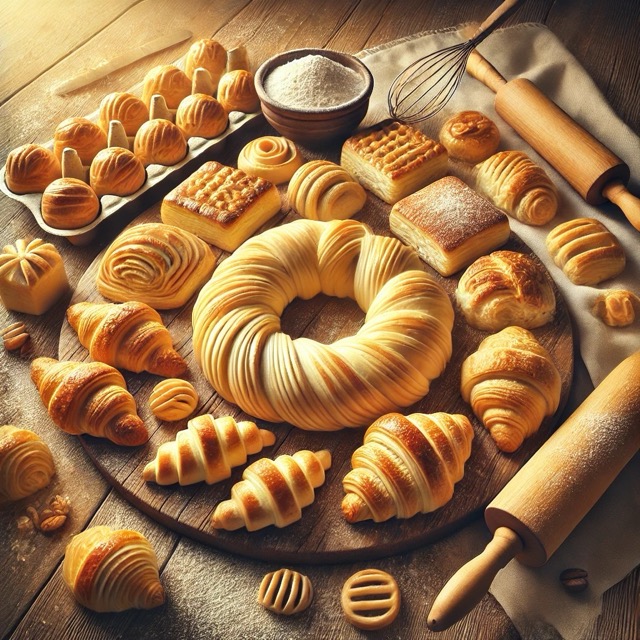
Doughs and pastries
Drinks

Fish
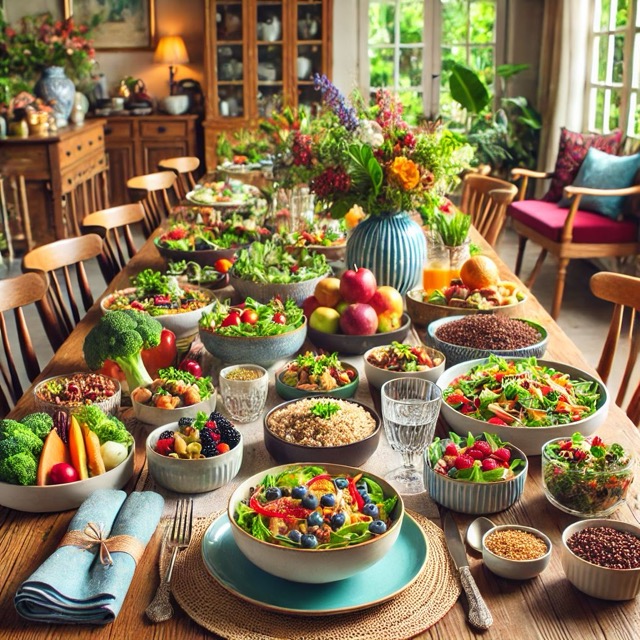
Healthy Delights

International
Jakob Hausmann
Jam
Jamie Oliver
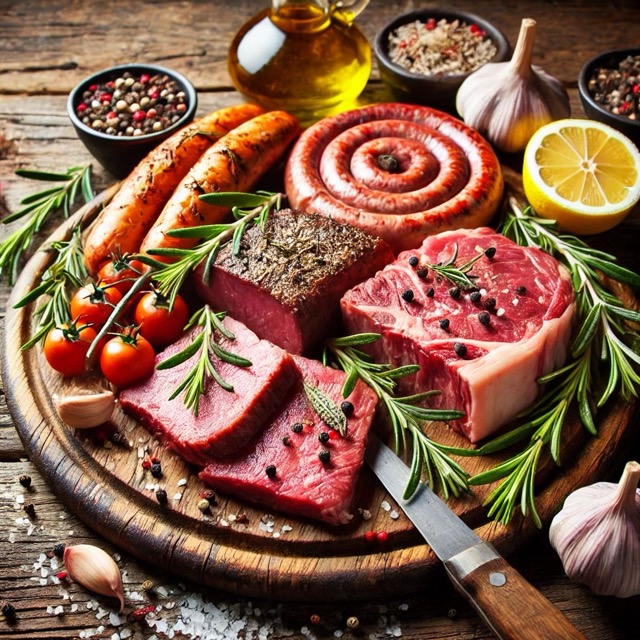
Meat
Miscellaneous
Over
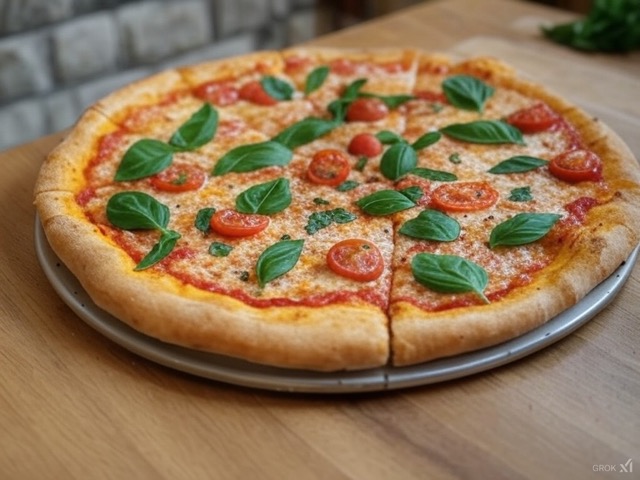
Pasta/Pizza
Pickles
Plague
Salad
Sandwiches
Sauces
Savory
Season
Sezon
Slow cooking
Soups
Star Recipe

Syrup
Translated
Various
Vegan