
Salmon with a potato and vegetable crust

I don't always feel like cooking something complicated, but sometimes I want something a bit special that isn't too hard to make. Potato-crusted salmon is the kind of recipe that comes together quickly and doesn't leave too much mess in the kitchen. It helps that I can use a skillet and a baking tray, and the vegetables can easily be adapted based on what I have in the fridge. The potato crust really makes all the difference. Quick Info Total time: approximately 40-50 minutes Preparation time: 20-25 minutes (depending on how quickly you work with the potatoes and vegetables) Cooking/baking time: 20-25 minutes (between the skillet and the oven, plus the vegetables) Servings: 2 Difficulty: easy to medium Recipe type: main course for lunch or dinner Ingredients 300-350 g salmon fillet (2 pieces, ideally boneless and with skin on one side) 1 large potato 1 egg 1 zucchini 1/2 red bell pepper 250 g mushrooms 4-5 cherry tomatoes 2 cloves of garlic rosemary (fresh or dried) fresh dill salt pepper olive oil Instructions 1. Clean the salmon, removing any scales or bones if necessary. Pat it dry with a paper towel, then season both sides with salt and pepper. 2. Peel the potato, grate it using a large grater, and gently squeeze out the excess water. Place it in a bowl and mix it with salt, pepper, rosemary (to taste), and one finely chopped garlic clove. Crack the egg over the mixture and combine everything with a fork. 3. Dredge the salmon pieces in flour on both sides, making sure not to create a thick layer. This helps the potato crust adhere. 4. Take each salmon piece and spread a thin layer of the potato mixture only on the skinless side. Press gently to make it stick. 5. Heat a skillet with olive oil (just enough to cover the bottom, not excess). When the oil is hot, place the salmon fillets with the potato crust side down. Don't touch them immediately. Let them cook for 2-3 minutes, until the potatoes start to turn golden and hold together. 6. Carefully flip to the other side and let them cook for another minute or two, just enough to set slightly. They don't need to be fully cooked in the skillet. 7. Transfer the fillets to a baking tray lined with parchment paper, with the potato side facing up. Place the tray in a preheated oven at 180°C and bake for 10-15 minutes. Depending on the thickness of the salmon, you can check after 10 minutes: the fish should be pale pink, and the crust should be firm. 8. Meanwhile, prepare the vegetables. Slice the zucchini and bell pepper into suitable pieces (not too thick or too thin). Leave the mushrooms in quarters if they are small or cut them into pieces if they are larger. 9. In a large skillet, heat a little olive oil and briefly sauté a clove of chopped or crushed garlic. Add the zucchini, bell pepper, and mushrooms, sprinkle with salt and pepper, and cook over high heat, stirring frequently. Towards the end, after the vegetables have softened a bit (about 8-10 minutes), add the halved cherry tomatoes or leave them whole if they are small. 10. Cook everything for another 2-3 minutes, just enough to warm the tomatoes and keep the vegetables slightly al dente. Finally, turn off the heat and sprinkle with freshly chopped dill. 11. Remove the salmon from the oven and serve immediately with the sautéed vegetables. Why I make this recipe often I find it one of the quickest ways to prepare salmon with an interesting texture without making too much mess. The potato crust adds flavor, and the vegetables go well regardless of the season. It's easy to adapt based on what I have in the fridge, doesn't require special techniques, and makes two servings without stress. Tips and Variations Tips - The potato should be well squeezed; otherwise, it risks releasing water and the crust won't hold. - Don't leave the salmon too long in the skillet; the crust should just get color, not be fully cooked. - If you have a skillet that can go in the oven, you can transfer it directly without using a tray. Substitutions - If you don't have rosemary, you can use a bit of thyme or parsley. - The salmon can be replaced with another firm-fleshed fish (cod or trout), but the cooking time may vary. - The zucchini and bell pepper can be omitted or replaced with eggplant, green beans, or broccoli (adjusting the cooking time in the skillet). Variations - You can add a little grated lemon zest to the potato mixture for a fresher flavor. - For a crunchier topping, you can sprinkle a little breadcrumbs on top of the potatoes before baking, but it's not mandatory. Serving Ideas - It pairs well with a simple green salad or a yogurt and lemon dressing. - If you want more substance, you can serve it alongside a pea purée or simple rice. Frequently Asked Questions 1. Can I use skinless salmon? You can, but the crust will hold better on the fish if it has skin on one side. If using skinless, be careful when handling, as it is more delicate. 2. Can I make the recipe entirely in the oven, without the skillet? You can skip the skillet step and go straight to the oven, but the crust won't be as browned and firm. It can be done if you want to use less oil. 3. Can I freeze the dish? I don't recommend it, as the potato-crusted salmon doesn't retain its texture after freezing and reheating. At most, the vegetables can be cooked in advance and reheated as needed. 4. What type of mushrooms should I use? Any type works, but champignon mushrooms are the most accessible. If using porcini or oyster mushrooms, cut them into suitable pieces. Nutritional Values Estimated for one serving (1/2 recipe): approximately 500-600 kcal. The salmon provides protein and healthy fats, the potato and egg offer fiber and energy, while the vegetables provide vitamins. In total, approximately 30-35 g protein, 25-30 g fat (mostly from the salmon), 25-30 g carbohydrates. These values are approximate and depend on the type of salmon used and how much oil you use for frying. Storage and Reheating Potato-crusted salmon is best enjoyed fresh. However, if there are leftovers, you can store them in the fridge, covered, until the next day. When reheating in the oven, the crust won't be as firm, but the taste remains fine. The vegetables can be kept separately and easily reheated in the skillet. I do not recommend freezing.
Tags
Categories
Appetizers

Beverages

Celebrity chefs
Chef in the city

Children

Coffee

Conserve
Cook and smile
Culinary Games
Culinary School

Dessert

Diverse
Doughs and pastries
Drinks

Fish
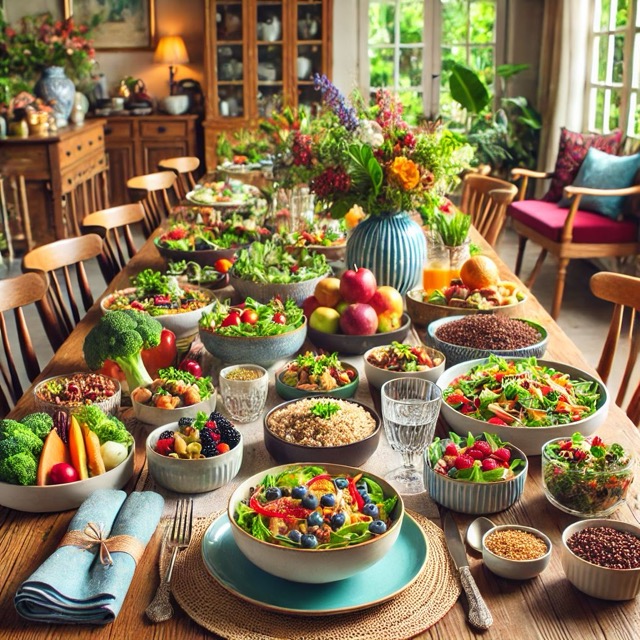
Healthy Delights

International
Jakob Hausmann
Jam
Jamie Oliver
Meat
Miscellaneous
Over
Pasta/Pizza
Pickles
Plague
Salad
Sandwiches
Sauces
Savory
Season
Sezon
Slow cooking
Soups
Star Recipe

Syrup
Translated
Various
Vegan