
apricot jam

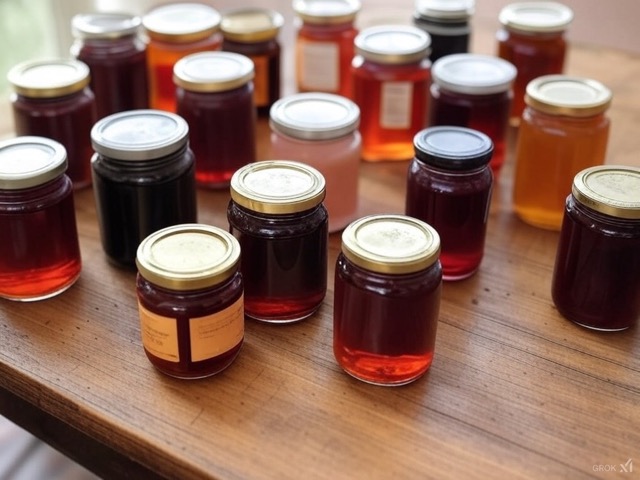
Apricot Jam - A Sweet and Fragrant Delicacy Who doesn't love the enticing aroma of fresh apricots? This apricot jam recipe is more than just a simple way to preserve the fruit; it is a journey into the world of intense flavors and pleasant memories. Whether you serve it on a slice of toasted bread in the morning or as a topping for desserts, apricot jam is a perfect companion at any time of the day. In this recipe, I will guide you step by step, providing useful tips and tricks along the way, so you can achieve a delicious apricot jam with a perfect texture and irresistible flavor. Preparation time: 30 minutes Cooking time: 3 hours Total time: 3 hours and 30 minutes Number of servings: 9 small jars (approximately 250 ml each) Ingredients: - 2.5 kg fresh, well-ripened apricots (pitted) - 2.5 kg granulated sugar - 80 ml freshly squeezed lemon juice (approximately 2-3 lemons) Preparing the Apricot Jam Step 1: Preparing the Apricots Start by washing the apricots well under a stream of cold water. Make sure to remove any traces of dirt or pesticides. Then, carefully remove the pits using a sharp knife. You can give the apricots a slight cut in half to remove the pits more easily. It is important to use well-ripened apricots, as they will give the jam an intense and sweet flavor. Step 2: Marinating the Apricots After cleaning the apricots, weigh them and place them in a large pot. Add the sugar over the apricots and mix gently so that the sugar evenly coats the fruit. Cover the pot with a lid or plastic wrap and let the mixture macerate for about 7 hours or ideally overnight. This process will help the sugar extract the juices from the apricots, forming a delicious syrup. Step 3: Cooking the Jam After the 7 hours have passed, you will notice that the sugar has melted and formed a syrup. Place the pot over medium heat and add the lemon juice, which will not only enhance the flavor of the jam but also help preserve it. Once the mixture starts to boil, reduce the heat. Step 4: Simmering To avoid burning the jam, I recommend placing a heat diffuser under the pot. This will distribute the heat evenly and prevent the pot from coming into direct contact with the flame. Let the jam simmer on low heat for about 3 hours. Stir occasionally to prevent sticking to the bottom of the pot. You will notice how the jam becomes denser. Step 5: Testing the Consistency After 3 hours, it is time to check the consistency of the jam. You can do this with a simple test: take a teaspoon of jam and place it on a cold plate. Let it sit for a few seconds, then tilt the plate. If the jam does not run too quickly, it is ready. If you want a thicker jam, you can boil it for another 10-15 minutes. Step 6: Jarring the Jam Once the jam is ready, carefully pour it into sterilized jars. Make sure the jars are warm so that the jam does not cool too quickly. Seal the jars tightly and place them on a large tray. Cover the jars with a blanket to retain heat and let them cool completely for 2-3 days. This will help create a vacuum, keeping the jam fresh for a longer period. Step 7: Storing the Jam After the jars have completely cooled, you can store them in your pantry. Make sure they are kept in a dark, cool place to extend their shelf life. Apricot jam can be stored for up to a year, but chances are you will consume it much sooner! Useful Tips: - Use high-quality apricots, preferably from trusted sources, for better taste. - You can experiment with adding spices, such as cinnamon or vanilla, to give your jam a personalized touch. - If you desire a smoother texture, you can puree the apricots with an immersion blender before cooking. Nutritional Benefits: Apricots are rich in vitamins, especially vitamin A and vitamin C, and contain antioxidants that contribute to skin and eye health. They are also an excellent source of fiber, which aids digestion. Frequently Asked Questions: 1. Can I use other fruits to make jam? Yes, you can experiment with peaches, plums, or even fruit combinations. Each fruit will add a unique flavor to your jam. 2. How can I tell if the jam is spoiled? If you see mold or smell something unpleasant, it is best not to consume the jam. Also, if the lid of the jar has popped up, it is a sign that the jam is no longer properly sealed. 3. How can I use apricot jam? Apricot jam is delicious on toasted bread, in pancakes, or as a filling for cakes and tarts. You can also use it as a topping for yogurt or cheese. Pair your jam with a fragrant black tea or a sweet wine for a delightful culinary experience. You can also serve it alongside fine cheeses for an elegant appetizer. This apricot jam recipe is not just a way to preserve fruit, but also an opportunity to create delicious memories in your kitchen. Savor every bite and enjoy its enticing aroma!
Categories

Appetizers

Beverages

Celebrity chefs
Chef in the city

Children

Coffee
Conserve
Cook and smile

Culinary Games
Culinary School

Dessert

Diverse

Doughs and pastries
Drinks

Fish

Healthy Delights

International
Jakob Hausmann
Jam
Jamie Oliver

Meat
Miscellaneous
Over

Pasta/Pizza
Pickles
Plague
Salad

Sandwiches

Sauces
Savory
Season
Sezon
Slow cooking
Soups
Star Recipe
Syrup
Translated
Various
Vegan


