
Mussels with Milk (Multicooker)

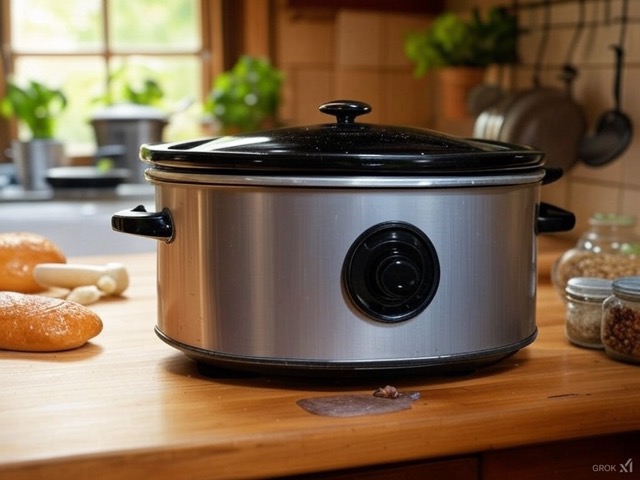
Milk shells are made simply in a multicooker, without separately boiling the pasta. Milk, pasta, salt, and sugar are placed directly in the pot, then left on the STEW program for 40 minutes. I stir occasionally, especially during cooking, to ensure the pasta doesn’t stick. At the end, I add lemon zest, which subtly changes the flavor and completes the dessert. This recipe is suitable for the Philips Multicooker and for moments when you want milk pasta without constantly watching a pot on the stove. Quick Info Total time: approximately 40 minutes Preparation time: not specified separately Cooking time: 40 minutes Servings: unspecified; the amount can be divided according to preference Difficulty: easy Recipe type: milk dessert, milk pasta, multicooker recipe Ingredients 1 liter of milk 200 g shells, i.e., pasta in the shape of shells A pinch of salt 4-5 tablespoons of sugar, or sugar to taste Lemon zest, added at the end Preparation method 1. Place the milk, pasta, salt, and sugar in the multicooker pot. For sugar, you can start with 4 tablespoons, and if you prefer a sweeter dessert, you can use 5 tablespoons, as I usually do. 2. Close the device and select the STEW program. Set the cooking time to 40 minutes. 3. During cooking, stir occasionally with a spoon. This step is helpful to prevent the pasta from sticking to the pot and to ensure the sugar distributes evenly in the milk. 4. After the program ends, add the lemon zest and stir gently. The dessert is ready to serve. The amount of sugar can be adjusted according to taste. If you’re unsure how sweet those you’re cooking for prefer it, it’s easier to start with 4 tablespoons. The original recipe does not include other ingredients or steps, so the final taste relies on the combination of milk, pasta, sugar, and lemon zest. Why I make this recipe often I like the recipe because the ingredients are placed directly in the multicooker, and the preparation doesn’t require a long list of steps. It’s also a practical option when I want milk pasta without cooking the pasta separately. Another advantage is that the sugar can be easily adjusted. I usually use 4-5 tablespoons, but the amount shouldn’t be viewed as strict since taste varies from person to person. The lemon zest added at the end is enough to give the dessert a fresher taste without the need for additional ingredients. Tips Stir occasionally during the STEW program. Even though the multicooker cooks automatically, the pasta can tend to settle at the bottom of the pot, and stirring helps avoid sticking. Follow the indicated cooking time of 40 minutes. If you open the device to stir, do so quickly and close the lid again, so cooking continues as consistently as possible. Add the lemon zest only after the program ends. This way, the aroma remains better defined and doesn’t dissipate during the 40 minutes of cooking. If using lemon zest, wash the lemon before grating and avoid the white part, which can taste bitter. This is a practical recommendation for any dessert using citrus zest. Substitutions The recipe does not specify a certain type of milk or a specific fat percentage, so you can use the milk you usually have. Since no milk substitute is mentioned, changing it may alter the final texture and taste. Instead of 4-5 tablespoons of sugar, you can use less or more, depending on preference. Sugar is the only ingredient in the recipe whose amount is indicated as flexible. Variations The simplest variation is to adjust the sweetness. For a less sweet dessert, use closer to 4 tablespoons of sugar. For the sweeter taste I’m used to, 5 tablespoons can be used. You can also vary the amount of lemon zest, depending on how pronounced you want the flavor to be. It’s better to start with a little zest and add gradually, as the recipe does not specify an exact amount. However, I wouldn’t change the time or program unless necessary. The recipe is designed for 40 minutes on STEW, and altering these elements may affect how the pasta cooks in the milk. Serving ideas Milk shells can be served right after they are ready, immediately after adding the lemon zest. They fit as a simple dessert or as a sweet snack. If serving later, keep in mind that the pasta may absorb some of the liquid as it sits. It’s normal for the texture to change from when the program finished. Frequently asked questions 1. Can I use a different program than STEW? The recipe is intended for the STEW program set for 40 minutes. No other program is specified, so it’s safest to follow the original setting of the recipe. 2. Do I need to stir during the program? Yes, it is recommended to stir occasionally. Stirring helps prevent the pasta from sticking to the pot and is the reason this step is included in the recipe. 3. When is the lemon zest added? The lemon zest is added after the 40 minutes of cooking have finished. It is not added at the beginning. 4. How much sugar should I use? The recipe indicates sugar to taste. The usual amount used is 4-5 tablespoons, and 5 tablespoons have been used for a sweeter version. 5. Can I make the recipe without sugar? The source of the recipe includes sugar as an ingredient and does not offer a version without it. If you choose to omit it, you will get a milk and pasta dish, but not the same sweet variant. Nutritional values The values are estimated, as the type of milk, its fat content, or the final number of servings is not specified. For the entire recipe, with 1 liter of milk, 200 g of pasta, 4-5 tablespoons of sugar, and not calculating the lemon zest exactly, the estimate is approximately: 1,500-1,750 kcal 295-315 g carbohydrates 55-65 g protein 15-40 g fat The range for fat is broader as it mainly depends on the milk used. Sugar and pasta contribute particularly to the total carbohydrate amount, while milk and pasta provide protein. For the values per serving, the above quantities need to be divided by the number of servings in which you choose to serve the dessert. Storage and reheating If you do not serve all the dessert immediately, let it cool and store it in the refrigerator in a closed container. It is preferable to be consumed within 1-2 days, as the pasta continues to absorb the milk and may change its texture. When reheating, heat only the amount you plan to consume. As it sits, the dish may become thicker than it was immediately after cooking. Reheating should be done gradually, stirring for even heating.
Tags
Categories

Appetizers

Beverages

Celebrity chefs
Chef in the city

Children

Coffee

Conserve

Cook and smile
Culinary Games
Culinary School

Dessert

Diverse
Doughs and pastries
Drinks

Fish

Healthy Delights

International
Jakob Hausmann
Jam
Jamie Oliver
Meat
Miscellaneous
Over

Pasta/Pizza
Pickles
Plague
Salad

Sandwiches
Sauces
Savory
Season
Sezon
Slow cooking
Soups
Star Recipe

Syrup
Translated
Various
Vegan