
Pigeon pasta (pasta made from pigeons)

Plum Paste: A Sweet and Versatile Delight Welcome to the fascinating world of fruit-based dishes! Today, we will focus on a delicious yet perhaps lesser-known recipe that will bring a touch of summer to every day of the year: plum paste. This versatile ingredient can be used in cakes, on biscuits, or alongside yogurts, transforming any meal into a gourmet experience. Get ready to discover how to create this delicacy, step by step! Preparation time: 30 minutes Cooking time: 50 minutes Total time: 1 hour and 20 minutes Number of servings: 6 jars of 400 g A Brief History Plum paste is a traditional recipe that has its origins in the households of yesteryear, where seasonal fruits were preserved to be enjoyed throughout the year. Plums, a fruit rich in nutrients, were used not only for their exceptional taste but also for their health benefits. With a velvety texture and a sweet-tart flavor, this paste quickly became a staple ingredient in desserts and pastry dishes. Ingredients - 2 kg of ripe plums (make sure they have been exposed to frost to enhance the flavor) - 1 kg of sugar - 2 glasses of dry white wine (choose a quality wine that complements the fruit's flavor) - A cup of drained juice (from the preparation stage) Necessary Utensils - A large pot - A strainer with large holes - A wooden spoon - Glass jars with airtight lids - A mixer or fruit masher (optional) Step by Step: Preparing Plum Paste 1. Cleaning and washing the plums Start by removing the stems from the plums, ensuring they are perfectly ripe and free of defects. After cleaning them, wash them well in several cold waters to remove impurities. This step is essential for obtaining a clean and tasty paste. 2. Boiling the plums Cover the plums with water in the large pot and let them boil for about 15-20 minutes, starting the timer from the first boil. It is important to boil them until they become soft, so that the pulp can easily separate from the skins and pits. 3. Straining After boiling, drain the plums of their juice and prepare a strainer with large holes. Use a spoon to press the fruit pulp through the strainer, so that you obtain a fine paste, leaving the skins and pits behind. This process may take a few minutes, but patience will reward you with a smooth and delicious paste. 4. Boiling the paste Place the obtained pulp in a new pot and add the drained juice and the two glasses of white wine. Bring to a boil and let simmer for about 30 minutes. Stir occasionally to prevent sticking. 5. Adding the sugar After 30 minutes, add the sugar to the mixture. Stir gently over low heat until the mixture begins to thicken, achieving a consistency similar to thicker sour cream. This is the moment when the aroma becomes intense and pleasant! 6. Preserving Once the paste has been cooked, remove it from the heat and pour it hot into glass jars with airtight lids. Ensure that the jars are clean and sterilized to prevent spoilage. Allow them to cool completely before storing them in the pantry. Serving Suggestions Plum paste is incredibly versatile. You can use it to fill cakes, add a touch of sweetness to biscuits, or even combine it with natural yogurts. A unique idea would be to serve it as a sauce over ice cream or pancakes, thus transforming a simple dessert into a memorable experience. Variations and Tips - Variations of ingredients You can experiment with various flavors by adding cinnamon or vanilla during boiling to give the paste a distinct note. You can also replace the white wine with red wine for a richer flavor. - Using the leftover juice Don’t throw away the leftover juice after straining! You can sweeten it with sugar or honey, then boil it until you obtain a thick syrup. This syrup can be used as a topping for pancakes, ice cream, or even in cocktails. Nutritional Benefits Plums are fruits rich in antioxidants and vitamins, being an excellent source of vitamins C and K. Consuming plums can help strengthen the immune system and improve digestive health. Additionally, due to its low-calorie content, plum paste is a healthy alternative to other processed sweets. Frequently Asked Questions - Can plum paste be frozen? Yes, to preserve this delicacy for longer, you can freeze it in airtight containers. Make sure to leave a little space for expansion. - Can I use other fruits? Although plums are the traditional fruit, you can experiment with other fruits, such as sour cherries or cherries, adjusting the sugar quantities based on their sweetness. - How can I tell if the paste is ready? Test the consistency by dropping a few drops on a cold plate. If it does not spread and retains its shape, it is ready! Now that you have all the necessary information, all that’s left is to put on your chef's apron and start your culinary adventure. Try plum paste and let yourself be pampered by its unique aroma and taste. Enjoy!
Categories

Appetizers

Beverages

Celebrity chefs
Chef in the city

Children

Coffee
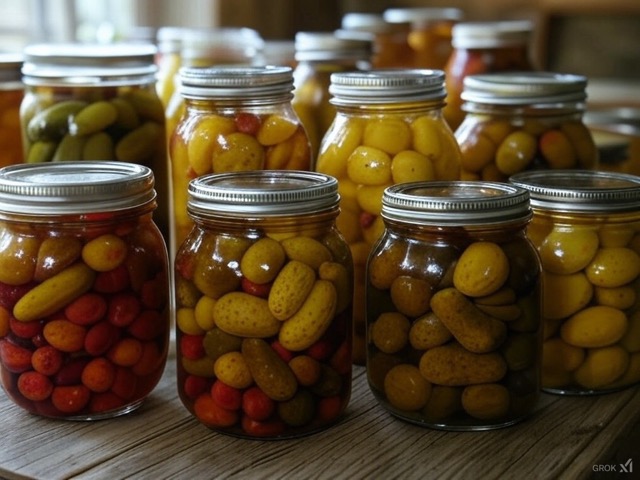
Conserve
Cook and smile
Culinary Games
Culinary School

Dessert

Diverse
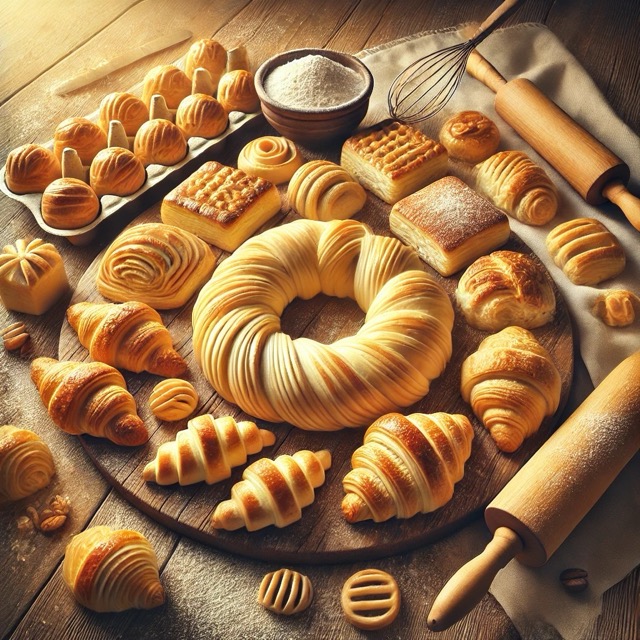
Doughs and pastries
Drinks

Fish
Healthy Delights

International
Jakob Hausmann
Jam
Jamie Oliver
Meat
Miscellaneous
Over

Pasta/Pizza
Pickles
Plague
Salad

Sandwiches
Sauces
Savory
Season
Sezon
Slow cooking
Soups
Star Recipe
Syrup
Translated
Various
Vegan